If you are looking for a Montgomery County community that feels established, spacious, and well connected, Potomac likely keeps showing up for good reason. Many buyers want more room, a quieter residential setting, and easy access to daily needs without giving up practical connections to Bethesda, Rockville, or Washington, DC. Potomac stands out for exactly that mix. Here’s what you can expect from day-to-day life in Potomac, Maryland, and why it continues to attract buyers who value space, convenience, and a polished suburban feel.
Potomac at a Glance
Potomac is an established Montgomery County community with about 46,230 residents, according to the Maryland Census Place Profile. It is also a strongly owner-occupied market, with 85.1% of occupied homes owner-occupied, which helps explain its stable, residential character.
You also see that long-term feel in the housing stock. Many homes were built in the 1960s, 1970s, and 1980s, so much of Potomac feels mature and settled rather than newly developed. For many buyers, that translates to larger lots, established streetscapes, and a community rhythm that feels consistent over time.
Housing in Potomac
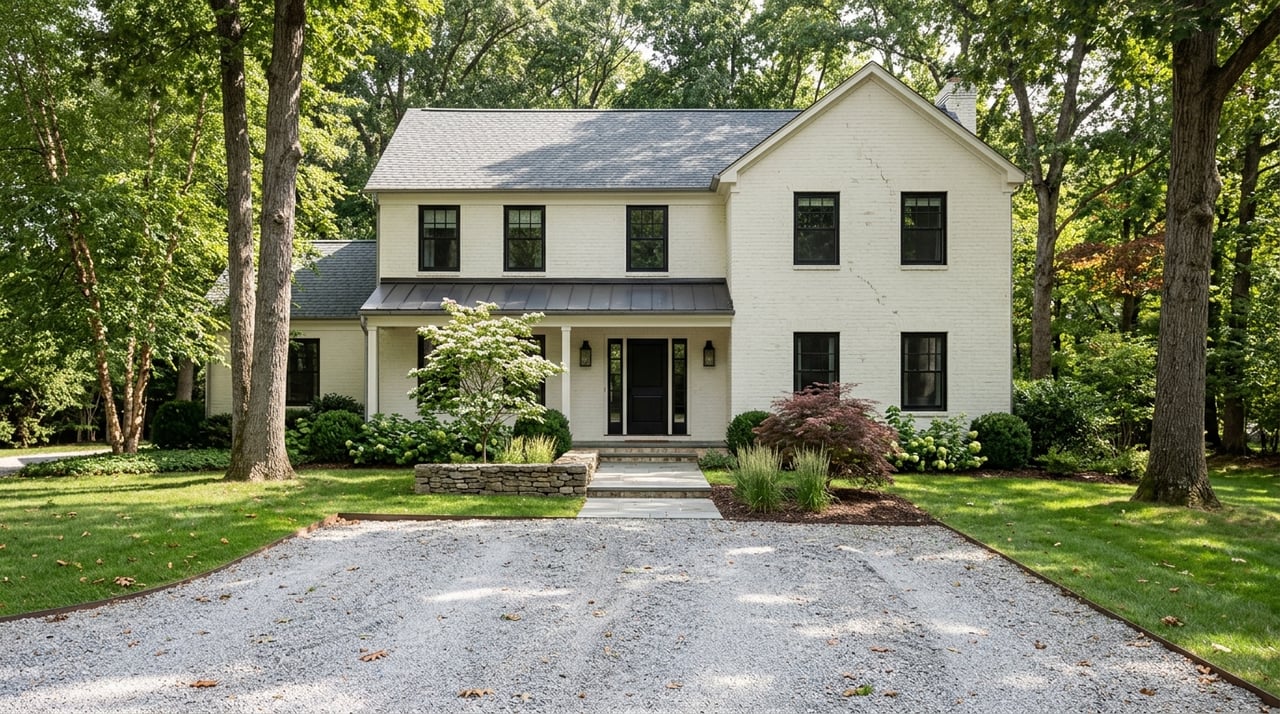
Potomac is defined largely by detached housing. The same Maryland planning data shows that 70.3% of housing units are detached single-family homes, while attached homes and larger multifamily buildings make up a smaller share.
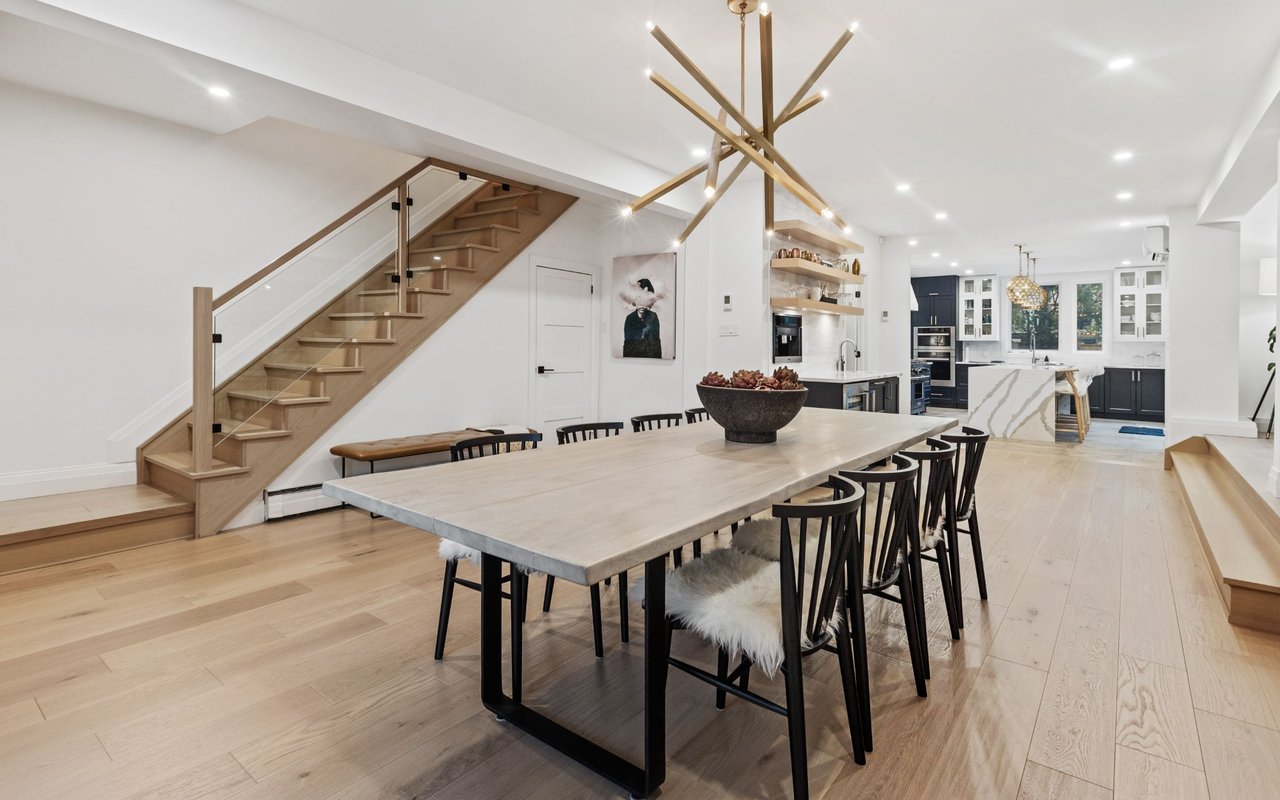
Home size is another major part of the local lifestyle. About 70.8% of homes have four or more bedrooms, and 60.5% of owner-occupied homes are valued at $1 million or more. In practical terms, Potomac tends to appeal to buyers looking for more square footage, more privacy, and a move-up style of living.
Because the area is so heavily residential, the overall setting often feels quieter and more spread out than denser nearby markets. You will find a smaller amount of attached and multifamily housing, but the dominant impression is still larger detached homes on mature lots.
A Few Notable Residential Areas
One of Potomac’s best-known planning references is Potomac Overlook, a late-1950s modernist subdivision near Mohican Road and MacArthur Boulevard. Montgomery Planning describes wooded, sloping lots, cul-de-sac streets, and homes designed to fit the landscape. It was later designated in the county’s Master Plan for Historic Preservation.
Another key reference point is Potomac Village, though it is better known as the area’s retail core than as a single housing enclave. A county land-use report notes that the surrounding area is made up almost entirely of single-family homes, reinforcing the community’s residential identity.
Newer mixed-use living is more concentrated around Park Potomac than in the older residential corridors. That gives buyers a different kind of option if they want a more modern, convenience-oriented setup within the broader Potomac area.
Daily Life and Errands
For everyday convenience, Potomac works through a few well-known retail hubs rather than a highly walkable, urban street grid. This is a place where many routines are shaped by driving, and the numbers support that. According to the state profile, 46.9% of households have two vehicles and 24.2% have three or more.
That car-oriented setup does not mean errands are difficult. It usually means they are clustered into a few practical destinations that residents know well.
Potomac Village
Potomac Village is the most recognizable everyday hub for local errands. The county land-use report identifies it as a neighborhood-serving commercial center with grocery stores, medical offices, and other daily-needs uses. It specifically references Giant Food, Safeway, Potomac Grocer, and nearby services.
For residents, that means many weekly basics can be handled close to home. It functions less like a major downtown and more like a reliable community center for routine stops.
Potomac Place and Cabin John Village
Potomac Place Shopping Center at River Road and Falls Road describes itself as a one-stop shop with stores, services, and restaurants, and notes that it has served the community since the 1960s. That long history matches the established feel many people associate with Potomac.
Cabin John Village is another important retail node nearby. It presents itself as a neighborhood destination with shops, restaurants, services, and community events dating back to 1967. Together, these centers help support day-to-day convenience without changing the overall residential tone of the area.
Park Potomac
If you want a more modern mixed-use environment, Park Potomac offers a different feel. Its retail lineup includes Founding Farmers, Gringos & Mariachis, King Street Oyster, Harris Teeter, and Orange Theory Fitness, along with markets, concerts, and pet-friendly events.
It is also positioned for convenience, with a dedicated I-270 exit and quick access to I-495. For many residents, that makes it an easy stop on the way to or from work, appointments, or other parts of the region.
Outdoor Recreation Is a Major Perk
One of Potomac’s strongest lifestyle advantages is access to outdoor recreation. If you value green space, trails, and a break from more built-up surroundings, this area offers a lot.
Visit Montgomery highlights several major destinations in and around Potomac, including Great Falls Tavern Visitors Center, the Billy Goat Trail, Cabin John Regional Park, Cabin John Ice Rink, and Falls Road Golf Course. These are not minor amenities. They are part of what gives the community a distinctive outdoor identity.
Cabin John Regional Park
Montgomery Parks says Cabin John Regional Park includes more than five miles of hiking and biking trails, along with playgrounds, picnic shelters, athletic fields, and the ice rink. That kind of variety makes it useful for everything from a quick walk to a more active weekend outing.
For many buyers, access to places like this shapes daily quality of life as much as the home itself. It adds options for exercise, downtime, and getting outside without having to travel far.
Great Falls and the Billy Goat Trail
The National Park Service notes that the Maryland-side Great Falls overlook walk is about 0.5 mile from the visitor center, and that the Billy Goat Trail is one of the most popular hikes in the Washington area, as referenced by Visit Montgomery’s Potomac page. That puts one of the region’s best-known outdoor experiences within easy reach.
For people who want suburban space without losing access to memorable outdoor destinations, this is a meaningful advantage. Potomac offers a residential setting that still keeps nature close.
Commuting and Regional Access
Potomac is not defined by rail stations within the community itself. Instead, its commuting pattern is primarily road-based, with useful access to nearby business districts and transit-connected areas.
Montgomery Planning’s West County overview notes that Potomac sits northwest of Washington, DC, on the north side of the Potomac River, and is served by I-495 and I-270. That roadway access is central to how many residents move around the region.
For Metro access, nearby destinations help fill the gap. WMATA identifies Bethesda station as part of a major Montgomery County business district with access to Bethesda Row, and the City of Rockville notes that its two Red Line stations provide easy access into Washington, DC, as cited in the research. WMATA’s broader rail system serves 98 stations across Maryland, Virginia, and DC.
In everyday terms, Potomac often appeals to people who want more home space and privacy while still maintaining practical access to Bethesda, Rockville, North Bethesda, and downtown DC. That balance is a big part of its draw.
Who Potomac Often Appeals To
Potomac is often a fit for buyers who prioritize home size, lot size, privacy, and an established setting. It can also appeal to those relocating within the DC area who want a more residential environment while staying tied to major job centers.
Because the housing stock skews large and detached, the area is especially relevant if you are looking for a move-up home or a long-term residence. If your goal is a dense, highly walkable urban experience, Potomac may feel less aligned. But if you want room to spread out, reliable retail hubs, strong park access, and a mature suburban setting, it can be a compelling choice.
The Bottom Line on Living in Potomac
Living in Potomac means choosing an established community where larger homes, mature neighborhoods, and day-to-day convenience all play a central role. The area offers a strong owner-occupied base, practical shopping and dining hubs, standout outdoor recreation, and solid access to the rest of Montgomery County and Washington, DC.
If you are weighing whether Potomac fits your lifestyle or planning a move within the DMV, working with a local advisor can make the search much clearer. Peter Maser offers thoughtful, concierge-level guidance for buyers and sellers across Potomac and the surrounding Montgomery County market.
FAQs
What is the housing style like in Potomac, Maryland?
- Potomac is primarily made up of detached single-family homes, with 70.3% of housing units in that category and many homes built in the 1960s through 1980s.
Is Potomac, Maryland, more suburban or urban?
- Potomac is generally suburban in character, with larger homes, a strong owner-occupied base, clustered retail centers, and daily routines that often depend on driving.
What are everyday errands like in Potomac, Maryland?
- Most errands are handled through local retail hubs such as Potomac Village, Potomac Place Shopping Center, Cabin John Village, and Park Potomac.
What outdoor amenities are near Potomac, Maryland?
- Potomac offers access to Cabin John Regional Park, Cabin John Ice Rink, Falls Road Golf Course, Great Falls Tavern Visitors Center, and the Billy Goat Trail.
How do people commute from Potomac, Maryland?
- Commuting is mainly road-based, with access to I-495 and I-270, while nearby areas like Bethesda and Rockville provide additional Metro connections into Washington, DC.