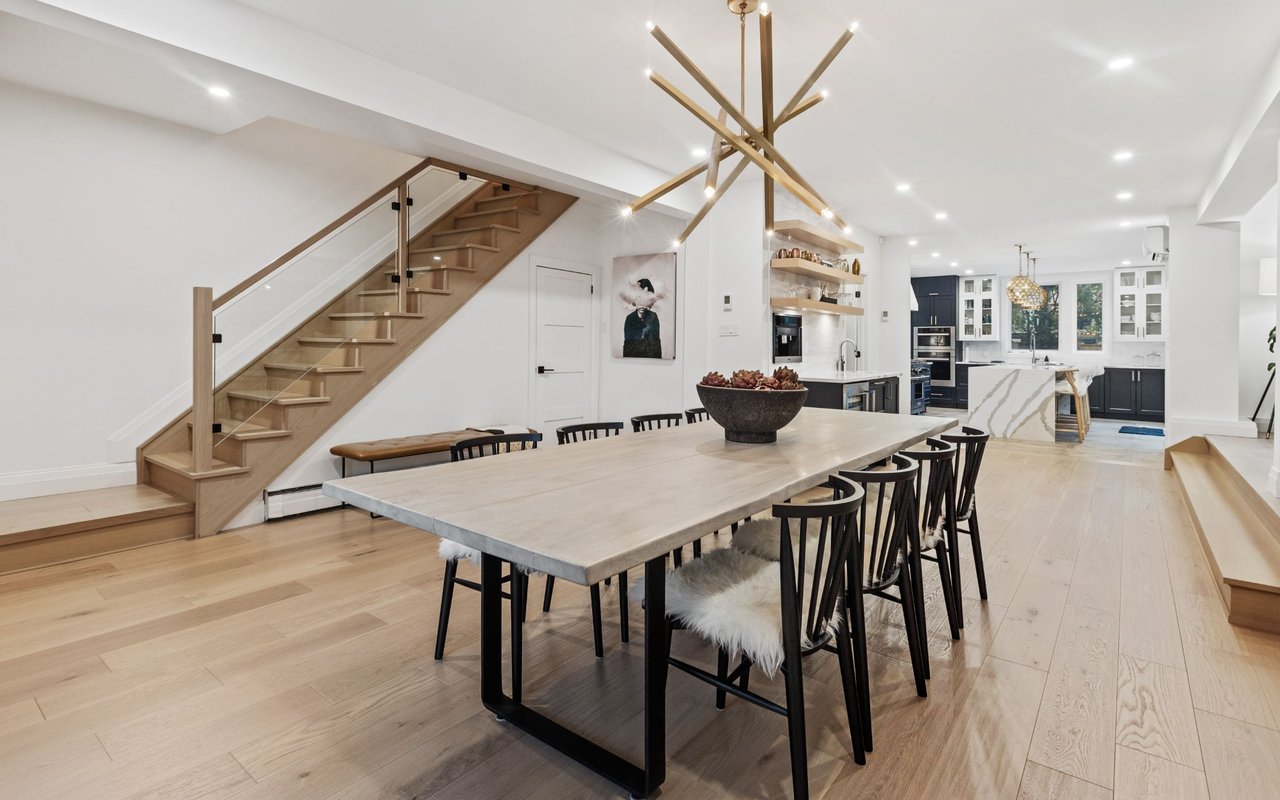
Selling your Potomac home while you still live there can feel like juggling crystal. You want top-dollar results without turning daily life into a production. With a smart plan, strong vendor coordination, and the right privacy controls, you can list confidently, protect your time, and still deliver a showstopping presentation.
This guide gives you a clear, step-by-step playbook tailored to luxury homes in Potomac and greater Montgomery County. You’ll learn how to prepare, disclose, schedule, and market with minimal disruption, plus when to bring in concierge-level project management. Let’s dive in.
Know the Potomac luxury market
Recent snapshots show Potomac’s median sale price sitting around the mid seven figures, with many reports placing it near 1.3 million. Days on market have often landed in the multiple-weeks range, commonly 50 to 70 days in recent periods. Calculation methods vary across platforms, but the takeaway is consistent: luxury in Potomac draws a selective buyer pool and rewards top-tier presentation.
Regional context also matters. The Washington area’s housing market can react to shifts in federal employment and the broader economy. Even with uncertainty, well-presented high-end homes often attract solid demand. Staying close to neighborhood-level data helps you time launch windows and set realistic expectations for showings and offers. You can get helpful perspective from recent coverage of Washington-area housing trends.
Get your legal checklist right
When you list while living in the home, clear and timely disclosures protect you and streamline negotiations.
Maryland disclosure vs. disclaimer
Maryland law requires you to provide either a Residential Property Disclosure Statement or a Residential Property Disclaimer Statement. Even if you choose a disclaimer, you must disclose known latent defects that pose a direct threat to health or safety. Review the statute to understand what must be covered and work with your agent on best practice. See the Maryland disclosure statute.
Lead-based paint for pre-1978 homes
If your property was built before 1978, federal law requires you to disclose known lead-based paint hazards, share any related records, provide the EPA/HUD pamphlet, and give buyers a 10-day inspection period unless they agree otherwise. See the federal rules on lead-based paint disclosure and inspection rights.
Keep documentation organized
Maintain invoices, permits, warranties, and inspection reports for recent work. Undocumented or unpermitted items can stall underwriting or trigger last-minute renegotiations. Your agent can help compile a clean package so buyers and lenders get what they need without friction.
Present like a model home, live like normal
You do not have to move out to deliver a luxury-level presentation. Focus on the rooms that drive first impressions and make online media do the heavy lifting.
Prioritize targeted staging
Professional staging often shortens time on market and can increase offer strength. Industry surveys show agents frequently report a 1 to 10 percent uplift when staging is used, especially in key rooms such as the living room, primary suite, and kitchen. See highlights from the National Association of Realtors on staging’s impact.
Invest in best-in-class media
High-resolution photography, a curated twilight exterior, and a short cinematic video or 3D tour are now expected at the luxury level. Buyers decide quickly based on the first image set, so lead with the staged spaces that sell the story. NAR’s research also underscores how visual media influences buyer interest; review the NAR findings on staging and visuals.
Create a daily show-ready routine
Build a 10 to 15 minute checklist so you can pivot to a showing without stress:
- Clear countertops and bathroom surfaces; wipe fixtures and mirrors.
- Fluff pillows, smooth bedding, and fold throws.
- Empty small trash cans and run a quick vacuum in main rooms.
- Hide pet items and secure pet bowls; remove signs of litter.
- Open blinds, turn on all lights, and set a comfortable temperature.
- Secure valuables and sensitive documents in a safe or off-site storage.
Control showings with structure
Your time is valuable. The right scheduling rules and tools make living in place manageable and keep buyers happy.
Use a unified booking platform
Professional listing agents rely on showing-management systems to coordinate appointments, confirm access, and collect feedback. Predefine windows for the first 10 to 14 days on market to capture momentum, then shift to set hours with required notice. Learn how agents streamline this with showing-management platforms.
Set clear house rules
- Pre-authorize specific days and times for showings, with a minimum notice period.
- Require your agent or a designated host to arrive early for lights and last looks.
- Keep pets out of the home during tours; line up a default plan for same-day requests.
- Avoid being present; buyers speak more freely and linger longer without the seller.
Fix what matters and stay compliant
Repairs and upgrades can boost marketability. In Montgomery County, be sure your plan accounts for permits and inspections where required.
Consider a pre-listing inspection
A seller-ordered inspection can surface items you choose to fix or disclose, reducing surprise renegotiations after offer. It also lets you pick the timing and contractors and can speed closing. Ask your agent whether this approach fits your home and the current buyer pool.
Know which projects need permits
Many interior and exterior projects require permits through Montgomery County’s Department of Permitting Services. Structural changes and major electrical, plumbing, or HVAC work typically need permits and inspections. Review the county’s homeowner permitting guidance to plan lead times into your schedule.
Coordinate WSSC for plumbing and gas
In Montgomery County, residential plumbing and gas permitting and inspections are handled by WSSC. If your work touches water, sewer, or gas systems, confirm that your contractor pulls the right permits and closes inspections. See WSSC permit requirements.
Hire licensed, insured pros
Maryland’s Home Improvement Commission requires licensing for many residential projects. Verify licenses and insurance, insist on written scopes and warranties, and collect final lien waivers where applicable. You can review licensing details and consumer protections for Maryland contractors.
Close the loop
Unpermitted work or open inspections can delay underwriting or closing. Make sure permits are finalized and documentation is delivered to your agent before going live, especially for items that affect safety or lender review.
A concierge-style plan that works
If your calendar is full, a coordinated, white-glove prep process makes selling while you live there far simpler. Here is a realistic, low-friction timeline you can adapt with your agent:
Week 0: Strategy and decisions
- Align on pricing strategy, target launch date, and showing rules.
- Complete a pre-list consult and decide on a pre-listing inspection.
- Set a staging and media budget; choose vendors.
Weeks 1–2: Quick wins and media prep
- Declutter, deep clean, and move nonessentials to short-term storage.
- Tackle small repairs, paint touch-ups, and hardware swaps.
- Complete partial staging in the living room, kitchen, and primary suite.
- Schedule photography, video, and 3D in a single session once staging is set.
Weeks 2–6: Repairs and permits, if needed
- Complete medium-scope items such as roof tune-ups, HVAC service, or flooring.
- For permitted work, account for DPS and WSSC timelines and inspections. Reference Montgomery County DPS guidelines and WSSC permitting.
Launch: First two weeks on market
- Go live within 48 to 72 hours of final media delivery.
- Prioritize flexible showing windows in the initial exposure period.
- Leverage professional staging and visuals to drive traffic early. See NAR’s staging research highlights.
Under contract to close
- If you negotiated repairs, schedule re-inspections quickly.
- Deliver warranties, receipts, and closed permits to the buyer and lender.
If you prefer a bundled approach, broker-backed concierge programs can coordinate staging, painting, landscaping, flooring, and selected repairs, often with nothing due until closing where available. Explore an example of a concierge program and covered services, and ask your advisor how it would be tailored to your home.
Showing-day checklist for occupied homes
- Remove cars from the driveway, tidy the porch, and sweep entry mats.
- Stash countertop items, laundry baskets, pet gear, and toiletries.
- Open blinds and all interior doors; turn on every light.
- Set the thermostat to a comfortable level; turn off TVs and music.
- Secure valuables, prescription meds, and sensitive documents.
- Leave five minutes before the appointment and return ten minutes after the scheduled end.
When privacy and timing matter
Not every seller wants broad public visibility at the outset. A private, invitation-only listing can be a strategic way to test pricing, limit foot traffic, or protect your privacy while you finish prep. Your advisor can leverage luxury networks and qualified-buyer outreach to generate interest, then decide with you when to expand to full public marketing for maximum exposure.
Partner with a hands-on advisor
Selling a luxury Potomac home while living in it is entirely doable when you run a focused plan: dialed-in disclosures, targeted staging and media, structured showings, and disciplined vendor coordination. A concierge-focused advisor will manage the moving parts so you can keep life running smoothly and still capture your best sale.
If you are ready to outline your timeline and budget, connect with Peter Maser for a tailored plan and a private home valuation.
FAQs
What should I know about selling a luxury Potomac home while still living in it?
- Plan targeted staging and elite media, set firm showing windows, and use checklists so daily life stays on track while your presentation remains top tier.
What Maryland disclosures are required when I list my occupied home?
- You must provide a disclosure or disclaimer and still disclose known latent defects; see the Maryland disclosure statute and coordinate timing with your agent.
Do I need a pre-listing inspection for a Potomac luxury property?
- It is often helpful for older or extensively updated homes because it identifies repair options and reduces surprise renegotiations after offer; ask your agent whether it fits your strategy.
How do Montgomery County permits affect selling while I live in the home?
- Required permits and inspections should be closed before listing when possible, since open items can delay buyer financing or closing; review DPS guidance.
Who handles plumbing and gas permits in Montgomery County?
- WSSC manages plumbing and gas permitting and inspections; confirm your contractor pulls and closes all required WSSC permits.
Will staging actually pay off for my high-end home?
- Industry data shows staging frequently shortens market time and can lift offers, especially in priority rooms; see NAR’s report on staging benefits.
How should showings be scheduled when I remain in residence?
- Use a single showing-management platform with predefined windows and required notice so you can plan around work, kids, and pets; learn more about showing-management systems.
What is a concierge program and how does repayment work?
- Many concierge services coordinate prep like staging, painting, and landscaping, with reimbursement at closing if available; see an example of broker-backed concierge options.