Thinking about selling your Bethesda home and wondering which prep steps actually move the needle? You’re not alone. In higher-priced markets like Bethesda and surrounding Montgomery County, buyers expect turn-key condition and strong visual presentation. In this guide, you’ll learn which improvements add the most value, how to structure a 4 to 8 week plan, and where concierge-style project management can save time and stress. Let’s dive in.
Why prep matters in Bethesda
Bethesda and nearby Montgomery County submarkets attract move-up and luxury buyers who compare finishes and focus on condition. In this price bracket, minimal fixes may not be enough if kitchens, primary baths, or flooring feel dated. Thoughtful, targeted preparation can reduce days on market and help you achieve stronger offers.
Industry evidence shows that strategic pre-list improvements, staging, and professional marketing often produce a price premium, especially when aligned with local comparables and buyer profiles. While results vary, many studies report benefits that range from low single digits to low double digits, depending on scope and timing.
High-end buyers also rely on professional photos, floor plans, and virtual tours. For many listings in this segment, quality visuals and staging do more to speed up the sale than basic snapshots or limited marketing.
What to prioritize before listing
Highest-impact updates
- Declutter, depersonalize, and apply neutral interior paint. This is one of the best returns per dollar. Focus on the kitchen, primary suite, and main entertaining spaces.
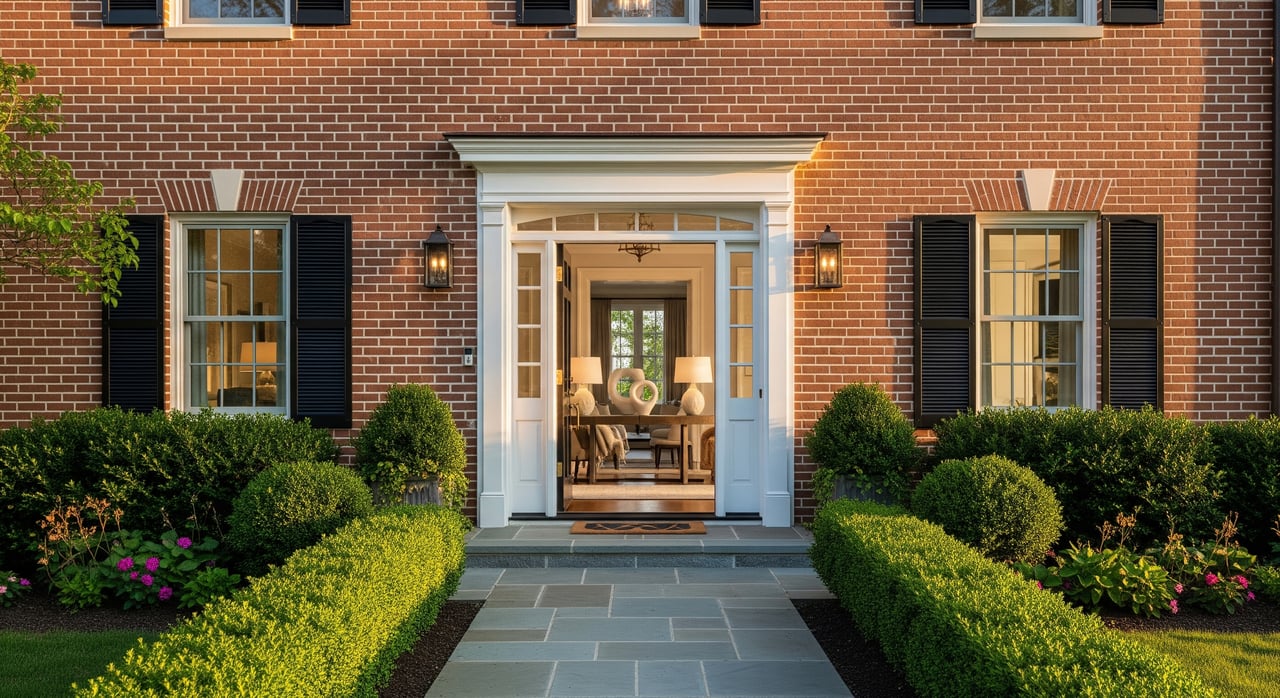
- Elevate curb appeal. Fresh landscaping, a well-kept lawn, updated entry lighting, and clean door and garage hardware create a strong first impression.
- Refresh flooring and visible finishes. Refinish hardwoods, replace worn carpet, and repair tile. Worn floors are a common reason for lower offers in this market.
- Targeted kitchen and primary bath refresh. Consider repainting or refacing cabinets, swapping hardware, adding modern countertops, and updating lighting instead of a full remodel.
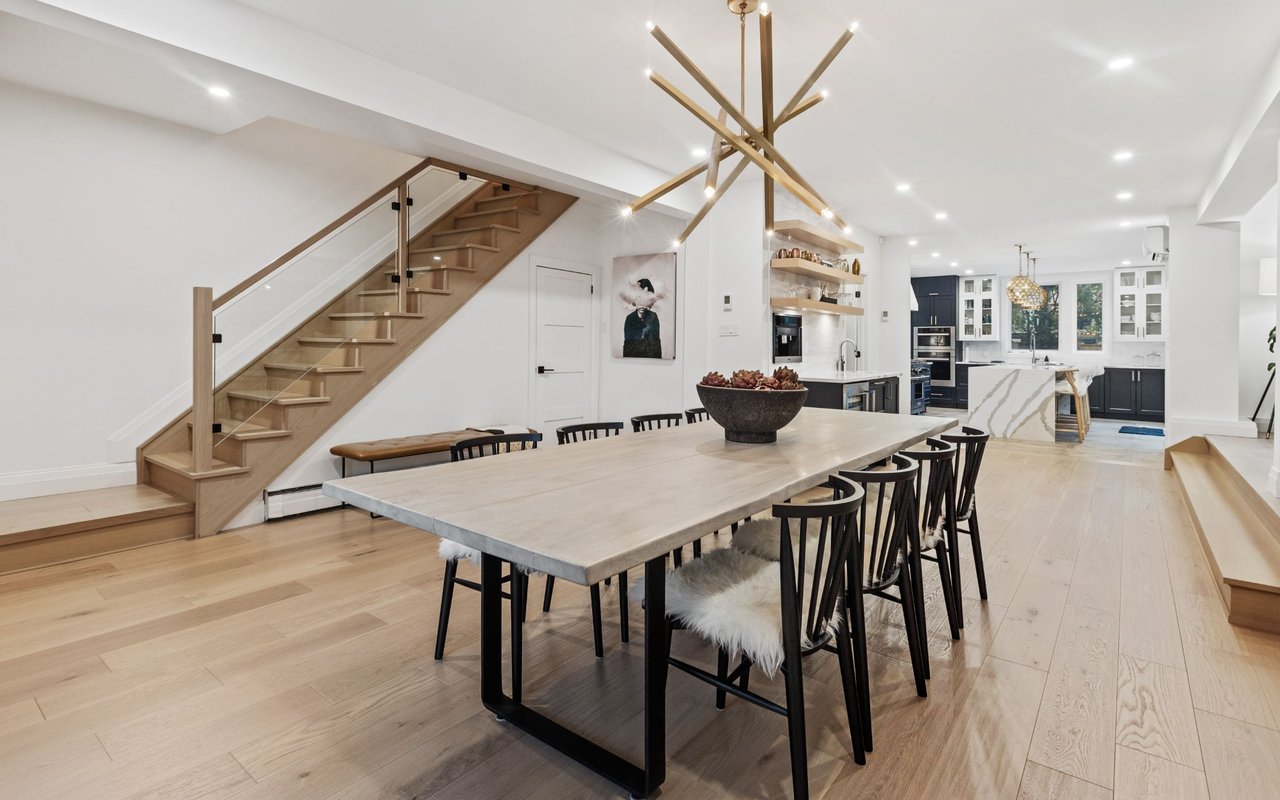
- Stage for photography and showings. For occupied and vacant homes, professional staging of primary rooms increases buyer engagement and helps listings stand out.
- Fix obvious system or safety issues. Address roof leaks, significant HVAC problems, water intrusion, mold, or structural concerns. Buyers often demand large concessions if inspectors uncover major defects.
Secondary priorities
- Exterior touch-ups. Paint shutters or trim, pressure wash hard surfaces, and complete minor siding or trim repairs.
- Update lighting and consider simple smart-home features. New fixtures and a smart thermostat or security elements can enhance buyer perception.
- Minor bathroom refresh. Replace fixtures, regrout and caulk, add clean mirrors, and modernize lighting.
When to say no
- Expensive, discretionary luxury upgrades. Items like high-end appliances, custom closets, or pool enhancements can be worthwhile only if nearby comps consistently include them and buyers clearly value them.
- Structural additions or large-scale remodels. Major expansions rarely deliver a strong return on a short sales timeline and can delay listing.
Expected ROI and realistic outcomes
Industry studies on staging and cosmetic updates consistently show shorter time on market and improved buyer perception. Reported sale-price benefits vary. A practical range many agents observe is low single digits for modest improvements and mid-single digits or better for targeted refreshes that align with what buyers want in your price bracket.
Remodeling cost-versus-value research regularly highlights that curb-appeal projects and minor kitchen work tend to recoup a larger share of cost than full upscale remodels. Treat major system fixes as loss-avoidance rather than profit drivers. They protect your price and your deal by preventing inspector-driven reductions.
Here is an illustrative scenario for planning. In a $1 million Bethesda neighborhood, a seller invests $25,000 in paint, staging of main rooms, minor landscaping, and targeted kitchen updates. If the home presents as move-in ready and compares favorably to current listings, it may sell faster with fewer concessions. An uplift in the 2 to 5 percent range is within what many agents observe for effective prep in similar markets. Outcomes depend on demand, comps, and pricing strategy, so calibrate your plan to current local data.
Permits, inspections, and disclosures in Montgomery County
Some improvements require permits or inspections in Montgomery County, including certain electrical, plumbing, structural, HVAC, or exterior projects that affect grading or drainage. Confirm permit needs early to avoid delays and use vendors who know the local process. For homes built before 1978, federal lead-based paint disclosure rules apply. Work with your agent and local counsel to complete the standard Maryland and Montgomery County disclosure forms correctly.
Concierge-style prep: how it works
Concierge or listing-improvement programs coordinate the entire prep process. They help you build the scope, source vetted vendors, manage timelines, handle staging and deep cleaning, and prepare marketing assets. Some programs offer to front the cost for approved work and get reimbursed at closing, sometimes with a fee or interest. Others operate on a pay-as-you-go basis.
Common models
- Agent-managed, local concierge. Your agent coordinates trusted contractors, while you or the closing escrow handles payment.
- Third-party concierge. A specialist company manages the process and may advance funds, recovering costs at closing.
- Brokerage programs. Some brokerages offer structured options with vendor management and repayment at closing.
Pros
- Less stress. You avoid sourcing and supervising multiple vendors.
- Faster, more predictable timelines. Work gets finished on schedule so you can hit your launch date.
- Optional upfront funding. If offered, you can complete strategic updates without paying before closing.
Cons and risks
- Added costs. Fees or interest reduce net proceeds, so compare costs with the expected uplift.
- Lien risk. Make sure subcontractors are paid and lien waivers are collected.
- Contract complexity. Be clear on scope, timeline, permit responsibilities, and dispute resolution.
Legal and financial checklist
- Get a written scope with line-item pricing and a completion schedule.
- Require signed lien waivers and final releases upon completion and payment.
- Confirm who handles permits and inspections and obtain copies of approvals.
- Understand repayment mechanics and all fees if funds are advanced.
- Keep receipts and documentation for potential capital improvements that may affect tax basis.
A practical 4 to 8 week timeline
- Week 0: Strategy. Complete a comparative market analysis and define buyer profiles. Agree on the scope aligned to recent comps.
- Week 0 to 1: Bids and permits. Obtain two to three contractor quotes, select a project manager or concierge, and confirm permit needs.
- Week 1 to 4: Execution. Finish paint, flooring, kitchen and bath refreshes, and landscaping. Schedule staging toward the end of this window.
- Week 4: Marketing. Professional photography, floor plans, and a virtual tour. Finalize listing copy and launch plan.
- Week 4 to 8: On market. List the home and use a showing plan that fits your goals, including open houses or private showings as appropriate.
Seller checklist for move-up and luxury listings
- Prioritize buyer-facing spaces: kitchen, primary suite, main living, and outdoor areas.
- Match the neighborhood. Do not over-improve beyond what nearby comparables support.
- Get multiple bids and verify insurance and references.
- Require lien waivers before releasing funds if costs are advanced.
- Keep all documentation for improvements and repairs.
Questions to ask your advisor
- Which updates will most influence buyers in my immediate price bracket and neighborhood?
- What is the budget, timeline, and expected return range for those updates?
- How will the work be financed and repaid? What fees or interest apply, if any?
- Who will hold permits and manage inspections?
- Can I see before-and-after examples from recent local sales?
Marketing that maximizes your prep
Even the best improvements need strong marketing to reach the right buyers. In Bethesda’s upper-mid and luxury segments, professional photos, floor plans, and virtual tours help busy buyers evaluate quickly and schedule showings. High-quality staging highlights flow and scale, especially in open-concept homes.
If you value discretion or want to test demand, a private exclusive path can be useful. In that approach, your home can be quietly marketed to a curated buyer pool while final prep is underway or while you gauge timing. With the right network exposure, you can build momentum and enter the public market with fresh interest.
Ready to plan your sale?
You deserve a smooth, confident sale with a clear plan and hands-on execution. If you want help prioritizing updates, coordinating vendors, or exploring a concierge pathway, reach out to Peter Maser for a strategic walk-through and custom prep plan. Request a private market analysis, review comps, and build a 4 to 8 week roadmap that aligns with your goals.
Connect with Peter Maser to start your plan today.
FAQs
What prep adds the most value for a Bethesda single-family home?
- Decluttering and neutral paint, curb appeal, refreshed flooring, targeted kitchen and primary bath updates, strategic staging, and fixing obvious system issues are consistently high-impact.
How much ROI can I expect from pre-list improvements?
- Industry studies often show low single-digit to mid-single-digit sale-price benefits for targeted, well-executed prep, with results varying by scope, comps, and timing.
Do I need permits for pre-list work in Montgomery County?
- Certain electrical, plumbing, structural, HVAC, or exterior projects may require permits and inspections, so confirm requirements early and use vendors familiar with local processes.
Is full staging necessary for higher-priced homes?
- Full or partial staging of key rooms often boosts engagement and photography quality; the right plan depends on your layout, existing furnishings, and target buyer profile.
Are high-end luxury upgrades worth it before selling?
- Only if nearby comparables demonstrate clear buyer demand for specific amenities; otherwise, focus on visible refreshes and core condition to avoid over-improving.
How do concierge-style programs handle payment?
- Some programs advance funds for approved work and are repaid at closing, sometimes with a fee or interest, while others coordinate vendors and bill as work is completed.