Thinking about adding an accessory dwelling unit to your Alexandria property, but not sure where to start? You are not alone. Many homeowners want flexible space for family, work, or rental income, yet the path from sketch to permit can feel complex. This guide breaks the process into clear steps, shares typical timelines, and highlights what to verify with the City of Alexandria before you commit. Let’s dive in.
What counts as an ADU?
An accessory dwelling unit is a smaller, independent home on the same lot as your primary residence. In Alexandria, you typically see three formats, each with different costs and review needs:
- Interior ADU: A basement, attic, or upper-floor apartment with a separate entrance. This often has the lowest site impact and may cost less since you are using existing space.
- Attached ADU: A new addition connected to your home or a converted attached garage. You gain design control, but you will need full building-code compliance and may trigger zoning checks.
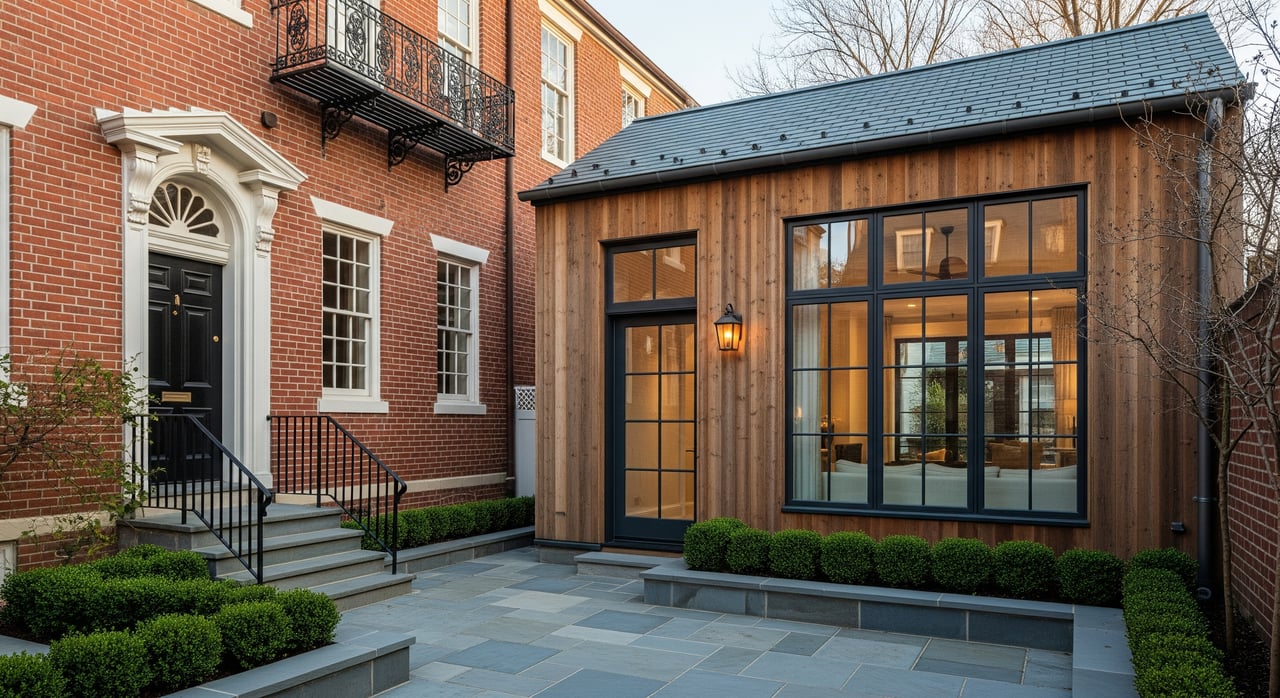
- Detached ADU: A backyard cottage, a converted detached garage, or a new carriage house. This can offer the most privacy and rental potential, but it usually has the most complex permitting and site design needs.
Other options include above-garage units, modular or prefabricated units that still meet local code, and conversion of existing outbuildings if they can be brought up to code.
Check Alexandria rules first
Before you design, confirm what your lot allows. Alexandria’s zoning, historic rules, and state building code set the framework for what you can build and how.
Zoning and where ADUs fit
- Determine your zoning district and whether an ADU is allowed by right, or if you need a special exception or variance.
- Confirm how many accessory units are permitted per lot. Many jurisdictions allow one per single-family lot.
- Verify which formats are permitted where. Interior, attached, and detached ADUs may have different rules.
Size, height, and setbacks
- Maximum ADU size is often capped, sometimes as a percent of the main home or by a square-foot limit. Confirm the current cap for Alexandria before you design.
- Check height limits for accessory structures and any separation required from the main house.
- Review side and rear yard setbacks, lot coverage, and floor-area constraints that can limit footprint and placement.
Parking, access, and utilities
- Ask if an ADU triggers off-street parking requirements and how driveway or curb cut rules could apply.
- Discuss utilities early. Most of Alexandria is on public water and sewer. Clarify whether shared services or separate meters are allowed and if sewer lateral upgrades are needed.
Owner-occupancy and renting
- Some cities require owner occupancy of either the main home or the ADU. Confirm Alexandria’s current stance.
- If you plan to rent short-term, review Alexandria’s short-term rental rules, including registration or licensing and whether ADUs can be used for this purpose.
Historic district review
- Large parts of Alexandria sit in a historic district. Exterior changes visible from the street or any new detached structure often require review by preservation staff or the Board of Architectural Review.
- Expect attention to massing, materials, roof shape, and placement for compatibility.
Safety and building code
- Your project must meet the Virginia Uniform Statewide Building Code. Plan for proper egress, fire separation, smoke and carbon monoxide alarms, and compliant mechanical, electrical, and plumbing work.
- For larger or detached projects, fire department access requirements may apply.
Environment and stormwater
- New footprint and impervious surface may trigger stormwater controls or grading plans.
- Floodplain, steep slopes, and tree preservation can influence design and cost.
Your step-by-step path
A clear path keeps your timeline on track and reduces rework. Here is a typical sequence to plan around.
Step 0: Feasibility check
- Contact Planning and Zoning to verify what your property’s zoning allows and whether your preferred ADU type fits by right.
- If you are in a historic district, consult preservation staff early to discuss design direction and visibility from the street.
Step 1: Pre-application meeting
- A pre-application meeting helps flag issues before you spend on full plans.
- Ask about potential needs like variances, stormwater design, or BAR review so you can budget time and fees.
Step 2: Design and documents
- Hire an architect or experienced designer to produce a site plan, floor plans, elevations, and structural and MEP details suitable for permit review.
- Plan for energy code documentation and ventilation strategies, especially in basements.
Step 3: Zoning approvals
- Submit zoning materials for review. If your design conflicts with setbacks, height, or coverage, you may need a variance or special exception.
- Some approvals require public notice or a hearing. Build that time into your schedule.
Step 4: Historic review
- If applicable, submit to preservation staff or the Board of Architectural Review for exterior design and materials.
- Provide photos of existing conditions and samples or product data as requested.
Step 5: Building permits
- Submit construction documents to Code Administration for building, electrical, plumbing, and mechanical permits.
- Respond to plan-check comments and pay fees before permits are issued.
Step 6: Construction and inspections
- Expect staged inspections for foundation, framing, rough-ins, and final.
- You will need a final occupancy approval before the ADU can be used as a separate residence or rented.
Typical timeline
- Interior conversions with no zoning changes often move fastest, sometimes within weeks to a few months from design to final inspection.
- Attached additions or detached ADUs commonly take 3 to 9 months or more from feasibility to occupancy.
- Projects that require variances or historic hearings can add several months for public process and possible redesign.
Factors that extend timelines include complex structural work, utility upgrades, stormwater design, historic review, and community opposition.
What to prepare
Submitting complete, clear documents speeds reviews. You will usually need:
- Site plan or current lot survey showing property lines, structures, distances to property lines, impervious areas, and easements.
- Floor plans with room uses, dimensions, and ingress/egress details.
- Elevations and sections showing height, materials, roof pitch, and how the addition relates to the main house.
- Structural drawings or evaluations for any new or modified framing and foundations.
- Mechanical, electrical, and plumbing plans, plus energy code compliance documents.
- Utility and grading notes, including sewer and water connection details and any stormwater measures.
- Photos of existing conditions and the surrounding context, especially for historic review.
- Deed, plat, and ownership documentation. Some jurisdictions also require owner-occupancy affidavits.
- Additional studies if triggered, such as geotechnical reports or tree protection plans.
Design with neighbors in mind
A thoughtful design reduces friction and can smooth public review.
- Fit the context. Align rooflines, siding, and window proportions with nearby homes, especially in historic areas.
- Reduce impacts. Place windows and living areas to minimize direct views into neighboring yards. Use landscape buffers and sound-dampening assemblies near property lines.
- Clarify access and parking. Provide on-site parking if required and set up separate entries or mailboxes to reduce confusion.
- Communicate early. Let immediate neighbors know your plan, timing, and site contact. If you need a variance, talk to neighbors before public notice to build understanding.
Budget and feasibility
Your budget should cover design fees, permit fees, possible stormwater and utility work, contingency, and landscaping. Here are broad, national-style ranges to help frame expectations:
- Interior conversion: often in the tens of thousands of dollars depending on finishes and code upgrades.
- Attached ADU or addition: typically in the tens to low hundreds of thousands depending on size and scope.
- Detached ADU or backyard cottage: commonly the highest cost, often in the mid-six figures when you factor in new foundation, utilities, and site work.
Every site is different. Confirm local construction estimates, city fee schedules, and any added costs for historic or variance processes before you finalize plans.
Starter checklist
- Verify zoning and ADU eligibility for your lot with Planning and Zoning.
- If in a historic district, schedule an early consult with preservation staff.
- Order a current lot survey and gather your deed and plat.
- Book a pre-application meeting to surface major issues early.
- Hire a designer or architect experienced with local ADUs and the Virginia building code.
- Finalize plans and submit for zoning, historic review if needed, then building permits.
- Plan your construction schedule and inspections, and keep neighbors informed.
When to bring in help
If your goal is added living space for family, a long-term rental, or a value-add before selling, it helps to coordinate design choices with market strategy. An experienced local advisor can connect you with ADU-savvy architects and contractors, help you weigh rental versus resale value, and time your project with a future sale or refinance. If you plan to sell after adding an ADU, align finishes and unit layout with buyer demand in your segment for the best return.
If you want a confidential conversation about how an ADU could support your broader move or investment plan in Alexandria, reach out to Peter Maser to request a Private Home Valuation and a tailored next-step plan.
FAQs
What is an ADU in Alexandria?
- An ADU is a secondary, self-contained home on the same lot as your primary residence, which can be interior, attached, or detached depending on zoning and design.
How big can an ADU be in Alexandria?
- Maximum size, height, and coverage limits are set by the Alexandria Zoning Ordinance, so confirm the current numeric caps and setback rules with Planning and Zoning before designing.
Do I need to live on the property if I build an ADU?
- Some jurisdictions require owner occupancy of the main home or the ADU; check Alexandria’s current requirement directly with city staff.
Can I use an ADU as a short-term rental in Alexandria?
- Alexandria has specific short-term rental regulations with possible registration or licensing, so verify whether ADUs are eligible and what rules apply.
How long does it take to get an ADU permitted in Alexandria?
- Interior conversions can move in weeks to a few months, while additions or detached ADUs often take 3 to 9 months or more, with variances or historic review adding time.
What documents do I need for an ADU permit application?
- Expect a site plan, floor plans, elevations, structural and MEP drawings, energy documentation, utility and grading notes, photos, and ownership documents, with extra materials for historic review if applicable.
Do I need Board of Architectural Review approval for my ADU?
- If your property is in a historic district and the work affects the exterior visible from the street or adds a detached structure, BAR or staff review is commonly required.